
Understanding Seed Oils: Why They Matter for You
- Everyday Mindful
- Jun 16
- 4 min read

In recent years, seed oils have become a hot topic in the health and wellness community. With the rise of various dietary trends and the increasing awareness of what we consume, understanding seed oils is more important than ever. These oils, derived from seeds of plants, are often used in cooking and food production, but their health implications can be complex. This blog post will explore what seed oils are, their nutritional profiles, potential health benefits, and concerns surrounding their consumption.
What Are Seed Oils?
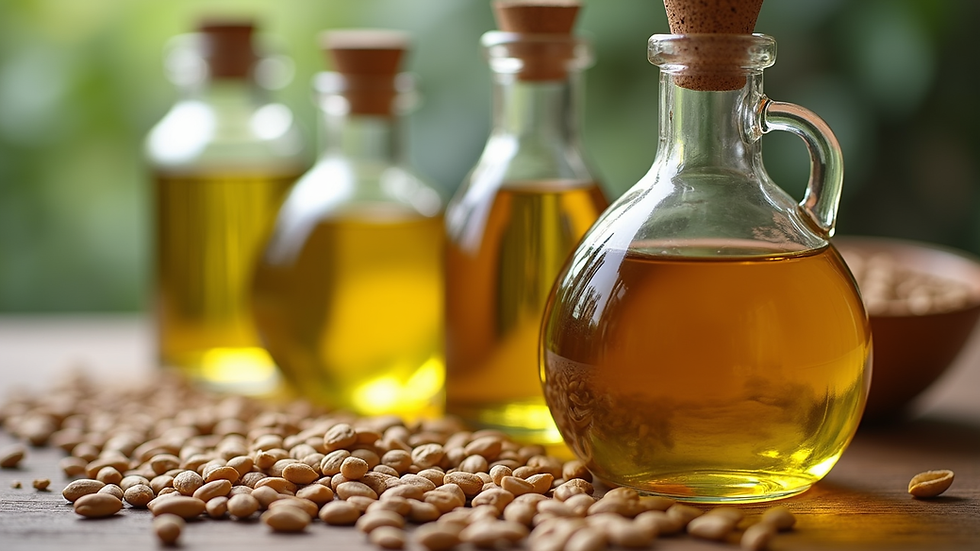
Seed oils are extracted from the seeds of various plants and are commonly used in cooking, baking, and food processing. Some of the most popular seed oils include:
Canola Oil: Extracted from rapeseed, it is widely used for frying and baking.
Sunflower Oil: Known for its light flavor, it is often used in salad dressings and frying.
Soybean Oil: A common ingredient in processed foods and margarine.
Sesame Oil: Often used in Asian cuisine, it has a distinct flavor and aroma.
Pumpkin Seed Oil: Known for its rich flavor, it is often used as a finishing oil.
These oils are typically refined, which means they undergo processing to remove impurities and enhance their shelf life. While this refining process can make the oils more stable, it can also strip away some of their natural nutrients.
Nutritional Profile of Seed Oils
Seed oils are primarily composed of fats, which can be categorized into three main types:
Monounsaturated Fats: These are considered heart-healthy fats and can help reduce bad cholesterol levels. Oils like canola and olive oil are high in monounsaturated fats.
Polyunsaturated Fats: These include omega-3 and omega-6 fatty acids, which are essential for the body. However, the typical Western diet tends to be disproportionately high in omega-6 fatty acids, which can lead to inflammation if not balanced with omega-3s.
Saturated Fats: While present in smaller amounts in most seed oils, saturated fats should be consumed in moderation as they can raise cholesterol levels.
Health Benefits of Seed Oils
Seed oils can offer several health benefits when consumed in moderation:
Heart Health: Oils rich in monounsaturated fats, like canola and olive oil, can help lower the risk of heart disease by improving cholesterol levels.
Anti-Inflammatory Properties: Omega-3 fatty acids found in certain seed oils, such as flaxseed oil, can help reduce inflammation in the body.
Nutrient Absorption: The fats in seed oils can aid in the absorption of fat-soluble vitamins (A, D, E, and K) from other foods.
Versatility in Cooking: Seed oils have high smoke points, making them suitable for various cooking methods, including frying and baking.
Concerns Surrounding Seed Oils
Despite their benefits, there are some concerns regarding the consumption of seed oils:
High Omega-6 Content: Many seed oils are high in omega-6 fatty acids, which can promote inflammation when consumed in excess. A balanced intake of omega-3 and omega-6 is crucial for maintaining overall health.
Processing and Refinement: The refining process can strip seed oils of beneficial nutrients and introduce harmful compounds. Some oils may also be extracted using chemical solvents, which can leave residues.
Potential for Oxidation: When exposed to heat, light, and air, seed oils can oxidize, leading to the formation of harmful free radicals. This is particularly concerning when oils are reused for frying.
How to Choose the Right Seed Oils
When selecting seed oils, consider the following tips:
Opt for Cold-Pressed Oils: These oils are extracted without heat, preserving their nutrients and flavor. Look for labels that specify "cold-pressed" or "expeller-pressed."
Check for Purity: Choose oils that are labeled as 100% pure and avoid those with added chemicals or preservatives.
Consider the Flavor: Different seed oils have distinct flavors. For example, sesame oil has a strong taste, while canola oil is more neutral. Choose oils that complement your cooking style.
Balance Your Intake: Aim to balance your consumption of omega-6 and omega-3 fatty acids by incorporating sources of omega-3s, such as fatty fish, flaxseeds, and walnuts, into your diet.
Cooking with Seed Oils
Seed oils can be used in various culinary applications. Here are some practical tips for incorporating them into your cooking:
Salad Dressings: Use seed oils like sunflower or sesame oil as a base for homemade salad dressings. Combine with vinegar, herbs, and spices for added flavor.
Baking: Substitute butter or other fats with seed oils in baking recipes. Canola oil works well in cakes and muffins, while pumpkin seed oil can add a unique flavor to breads.
Stir-Frying: Use oils with high smoke points, such as canola or soybean oil, for stir-frying vegetables and proteins.
Finishing Oil: Drizzle flavorful oils like pumpkin seed or sesame oil over finished dishes for an extra layer of taste.
The Bottom Line
Seed oils can be a valuable addition to your diet when chosen and used wisely. Understanding their nutritional profiles, benefits, and potential concerns can help you make informed choices about the oils you consume. By balancing your intake of omega-6 and omega-3 fatty acids and opting for high-quality, minimally processed oils, you can enjoy the culinary versatility of seed oils while supporting your overall health.
As you navigate the world of cooking oils, remember to consider your personal health goals and dietary preferences. Experiment with different seed oils to find the ones that best suit your taste and cooking style. By doing so, you can enhance your meals while making choices that align with your health objectives.
Takeaway
Seed oils are more than just cooking ingredients; they play a significant role in our diets and health. By understanding their benefits and concerns, you can make better choices that support your well-being. Start exploring the world of seed oils today and discover how they can enhance your culinary experiences!

Comments